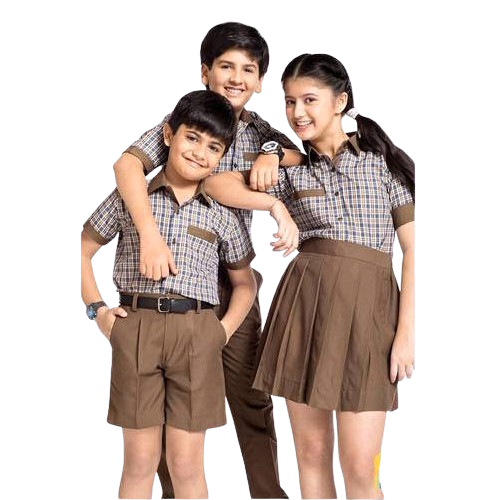
School Uniform Manufacturer in Bangalore
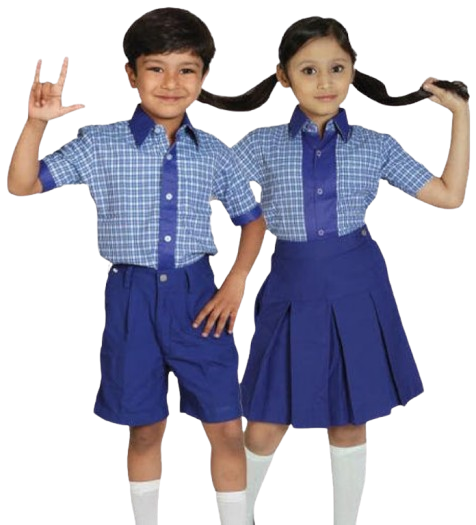
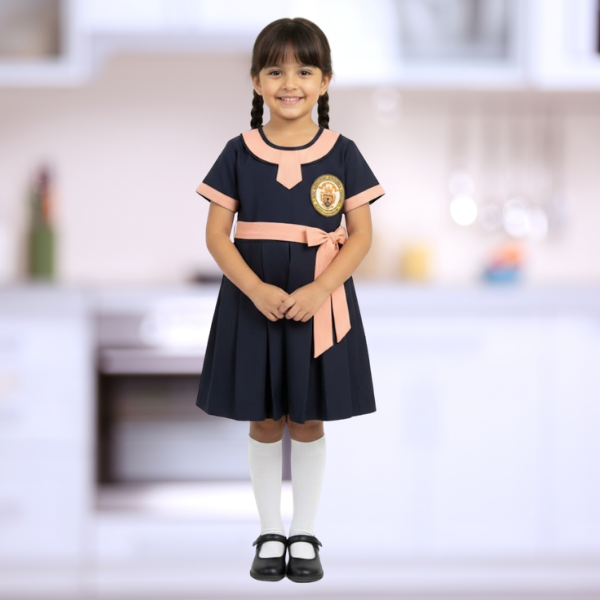
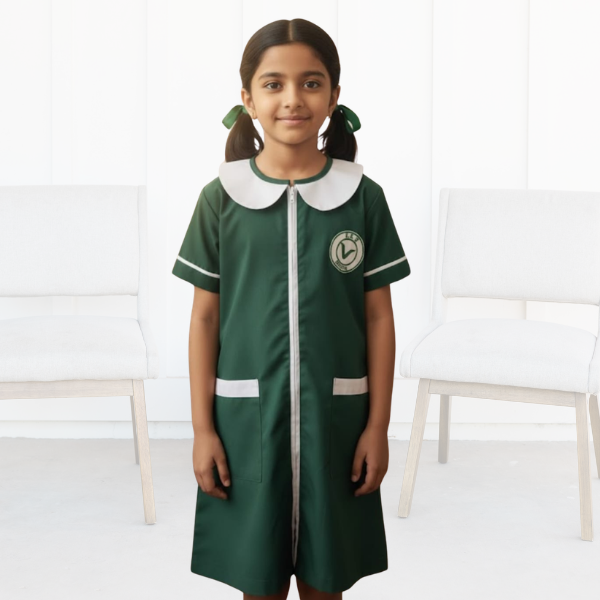
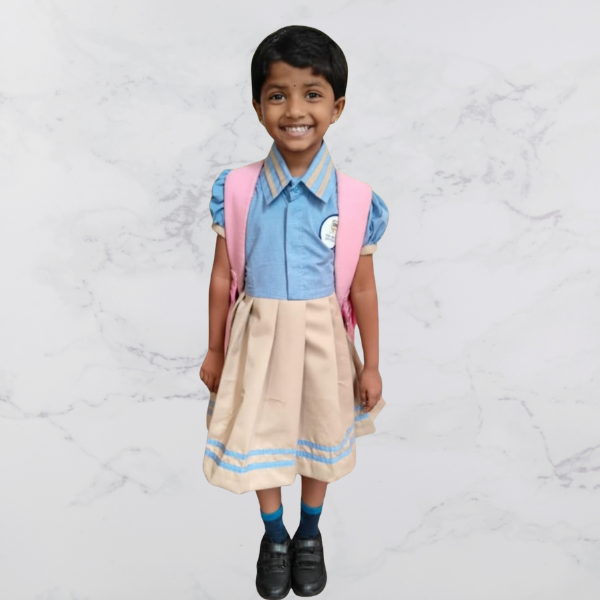
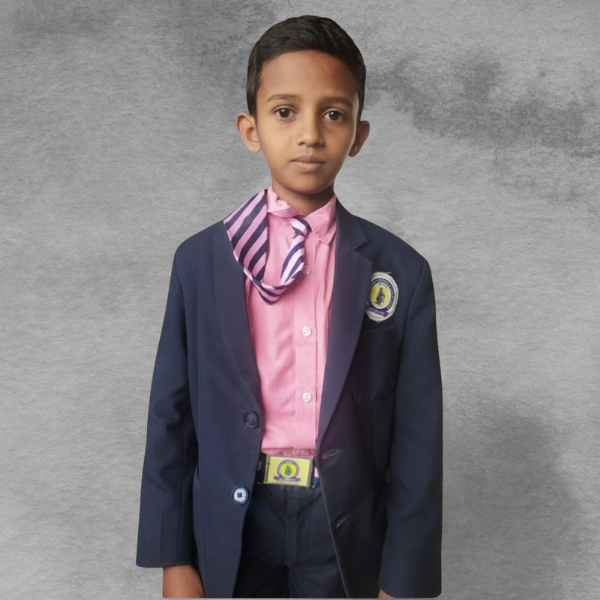
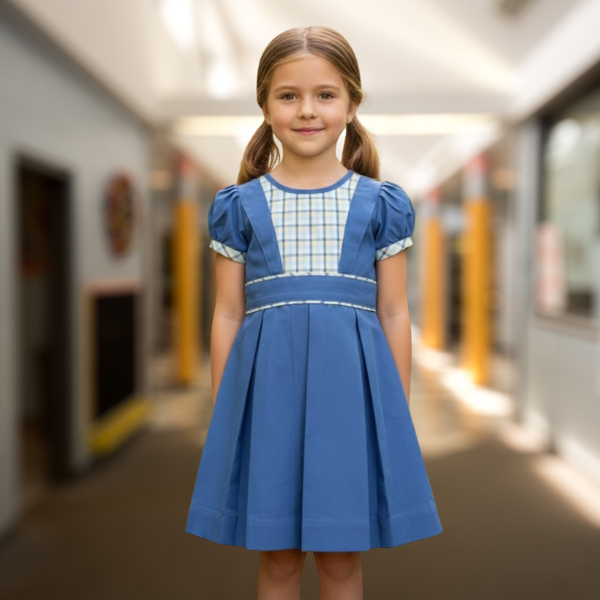


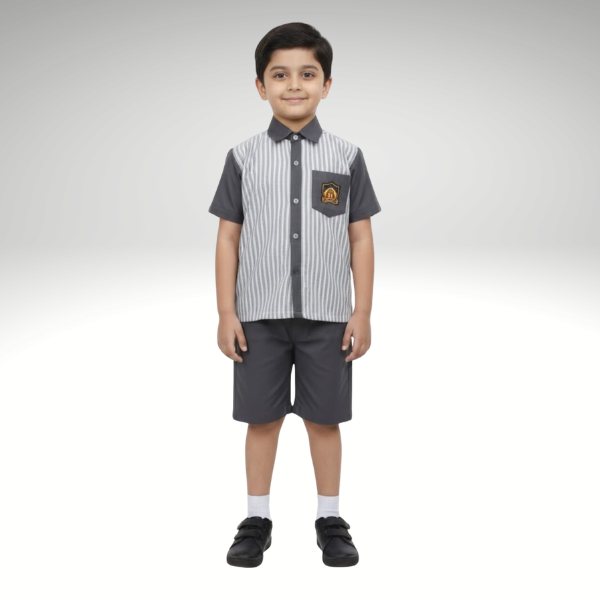








School Uniform Manufacturer in Bangalore – Complete Guide to Quality, Wholesale & Bulk School Uniforms
Choosing the right school uniform partner is an important decision for schools, educational institutions, distributors, and parents. A school uniform is not simply a piece of clothing; it represents discipline, identity, professionalism, and the overall image of an educational institution. Schools need uniforms that are comfortable for students, durable enough for regular use, attractive in appearance, and available consistently throughout the academic year. This is why selecting an experienced School Uniform Manufacturer can make a significant difference in quality, pricing, customization, and supply reliability.
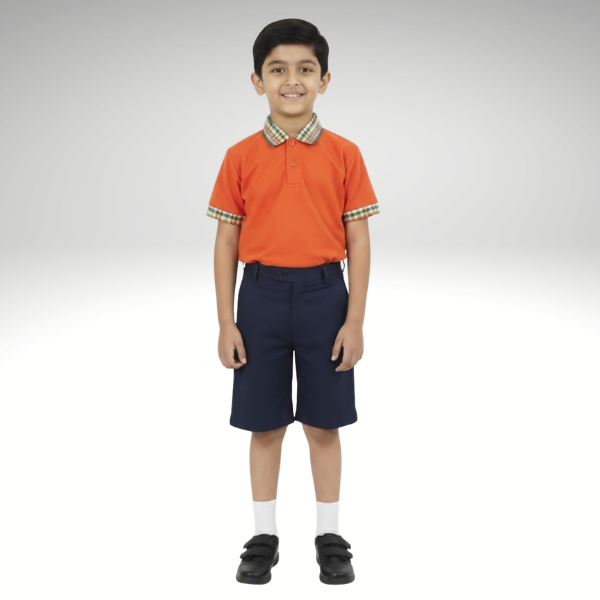
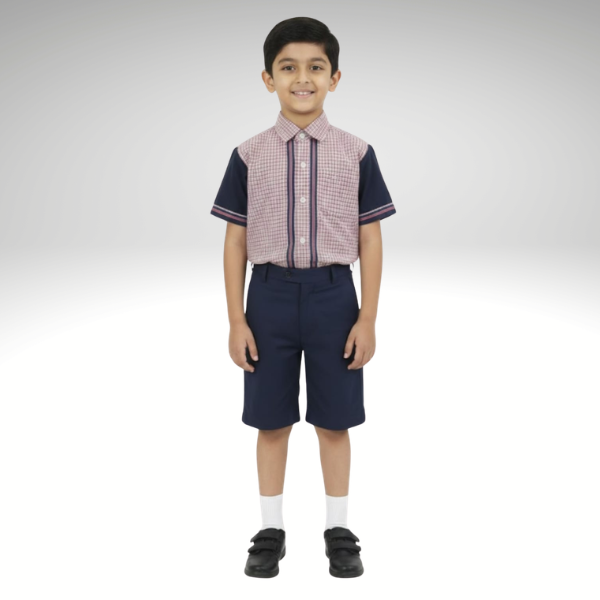
Kapri Company is focused on providing professionally designed school uniforms for educational institutions and organizations looking for dependable manufacturing and supply solutions. The company can support requirements involving shirts, trousers, skirts, shorts, sweaters, blazers, sports uniforms, house T-shirts, ties, belts, socks, and other uniform accessories. For schools planning a new uniform design or replacing an existing supplier, working directly with a manufacturer can simplify the entire procurement process.
A reliable manufacturer understands that every school has different requirements. Some institutions prefer traditional designs, while others require modern cuts, custom colours, embroidered logos, special fabrics, or seasonal uniform collections. From initial fabric selection to stitching, quality checking, packaging, and delivery, every stage contributes to the final product. Schools therefore benefit from choosing a company that understands institutional requirements rather than purchasing uniforms from an unknown retail source.
Why Choosing the Right School Uniform Manufacturer Matters
The quality of a school uniform depends on several factors, including fabric, stitching, sizing, colour consistency, finishing, and quality control. A school may need hundreds or thousands of uniforms every academic year, so even a small quality issue can become a major operational problem. An experienced School Uniform Manufacturer can help educational institutions maintain consistency across large quantities while meeting their specific specifications.
Manufacturing directly also offers better opportunities for customization. Schools can provide their logo, preferred colour combinations, measurements, design specifications, and branding requirements. Instead of selecting from limited ready-made options, institutions can work with a manufacturer to develop uniforms specifically for their students.
Another important advantage is consistency. When uniforms are manufactured according to an approved sample, schools can maintain the same colour, fabric, pattern, and stitching standards across different batches. This is particularly useful for schools with multiple branches or institutions that want a standardized appearance.
Kapri Company provides uniform solutions for institutions that require dependable production and professional finishing. By focusing on institutional requirements, manufacturers can help schools reduce procurement difficulties and create a more organized uniform program.
Understanding the Role of a School Uniform Supplier
A manufacturer produces the garments, while a supplier may manage sourcing, distribution, inventory, and delivery. Depending on the business model, one company can perform both roles. For schools, finding a dependable School Uniform Supplier is important because the relationship often continues beyond the initial order.
Uniform requirements do not end after the beginning of an academic year. Students join schools throughout the year, existing students may need additional sets, and uniforms can require replacement due to regular wear. Therefore, schools need a supplier that can respond to repeat orders without creating major delays.
A good supplier should understand the school’s approved uniform specifications and maintain proper records of sizes, colours, fabrics, and designs. This makes repeat ordering easier and reduces the possibility of receiving uniforms that differ from the original batch.
For schools, communication is equally important. A professional supplier should provide clear information about minimum order quantities, production timelines, available sizes, fabric options, customization possibilities, packaging, and delivery schedules. Transparent communication helps schools plan their procurement more effectively.
Kapri Company can be considered by educational institutions and organizations seeking a structured approach to school uniform procurement. The focus should always be on quality, consistency, service, and long-term supply capability rather than selecting a supplier only because of the lowest initial quotation.
School Uniform Bangalore – Growing Demand for Institutional Clothing
Bangalore is one of India’s major educational and technology hubs, with a large number of schools, colleges, educational organizations, and institutions. This creates continuous demand for professionally manufactured uniforms. Schools in the city often require uniforms that balance appearance, comfort, durability, and practicality.
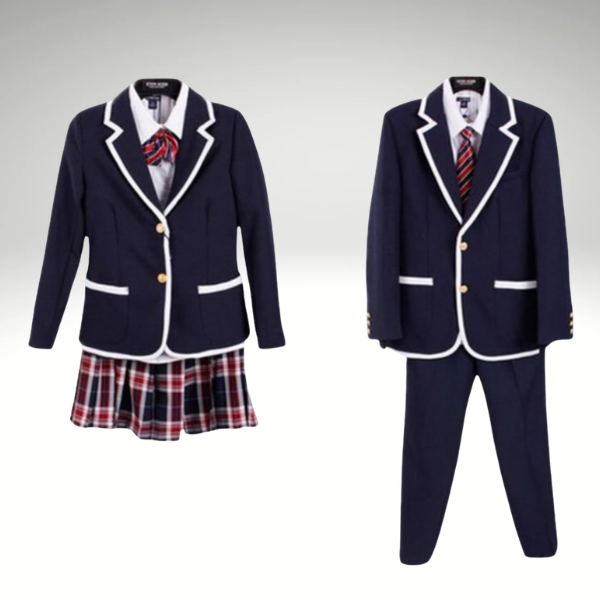
The market for School Uniform Bangalore is diverse because different institutions follow different uniform standards. Some schools have formal uniforms consisting of shirts, trousers, skirts, ties, and blazers. Others include separate sports uniforms, house T-shirts, winter clothing, and activity-specific apparel.
Bangalore’s climate also influences fabric selection. Lightweight and breathable materials can be useful for regular school wear, while sweaters, sweatshirts, jackets, and blazers may be required for cooler periods or specific institutional dress codes.
Schools may also require customized branding. Embroidered logos, printed names, school colours, house colours, and customized labels can make uniforms more identifiable and professional. A manufacturer with appropriate production capabilities can incorporate these requirements into the manufacturing process.
For schools and institutions, the objective should be to create a uniform that looks professional while remaining practical for students who may wear it for several hours every day.
Benefits of Buying School Uniforms Directly from Manufacturers
One of the biggest advantages of direct manufacturing is greater control over the product. Schools can approve the fabric, colour, design, measurements, and finishing before large-scale production begins.
Direct sourcing can also provide better pricing for larger orders. Retail products usually include additional distribution and retail margins, whereas institutional buyers working directly with manufacturers may receive more competitive bulk pricing.
Customization is another significant advantage. Schools can request specific collar styles, pocket designs, embroidery placements, fabric blends, colour combinations, and additional accessories.
Manufacturers can also help institutions create standardized uniforms across multiple categories. A complete uniform program may include:
- Formal school shirts
- School trousers
- School skirts
- School shorts
- House T-shirts
- Sports uniforms
- Track pants
- Sweaters
- Sweatshirts
- Blazers
- Ties
- Belts
- Socks
- Caps
- Jackets
- School bags
A coordinated approach helps create a consistent school identity.
How to Select a Reliable School Uniform Manufacturer
Schools should evaluate several factors before finalizing a manufacturing partner. The first factor is manufacturing experience. A company that regularly handles institutional clothing is more likely to understand the complexities of large-scale uniform production.
The second factor is fabric quality. Uniforms experience frequent washing and regular use, so the fabric should be selected based on durability, comfort, colour retention, and suitability for the local climate.
The third factor is stitching quality. Strong seams and proper finishing can significantly increase the useful life of a uniform.
The fourth factor is size availability. Schools usually require uniforms for children of different ages and body types. A manufacturer should be able to provide an appropriate size range and, when necessary, customized measurements.
The fifth factor is production capacity. A supplier may produce excellent samples but struggle with large orders. Schools should therefore evaluate whether the company can handle their expected volume.
Finally, schools should consider communication and after-sales support. A good supplier should remain accessible when additional uniforms or corrections are required.
Fabric Selection for School Uniforms
Fabric is one of the most important elements of a school uniform. Students wear uniforms for extended periods, often while participating in classroom activities, outdoor movement, school assemblies, sports, and transportation.
Cotton-based fabrics are popular because they can provide breathability and comfort. Blended fabrics may offer advantages related to durability, wrinkle resistance, and maintenance. The appropriate choice depends on the school’s design, climate, budget, and usage requirements.
For everyday uniforms, schools generally need fabric that can tolerate repeated washing. Colour stability is also important because faded uniforms can negatively affect the school’s appearance.
Sports uniforms require different characteristics. Students need greater freedom of movement, moisture management, and lightweight construction. Winter uniforms require warmer materials such as wool blends, fleece, or other suitable fabrics.
A professional manufacturer can help schools compare different fabric options based on intended use. Instead of focusing only on the initial price per garment, schools should consider the overall value and expected lifespan of the uniform.
Importance of Comfortable School Uniform Designs
Students spend a significant part of their day wearing school uniforms. Therefore, comfort should be a priority during design and manufacturing.
A uniform that looks attractive but restricts movement may create unnecessary discomfort. Proper sizing, suitable fabric, appropriate sleeve length, comfortable waistbands, and practical construction all contribute to better wearability.
Younger students may require softer and more flexible materials. Older students may require formal styles that maintain a professional appearance while remaining comfortable.
Uniform design should also account for different activities. A student may sit in classrooms, walk between buildings, participate in physical education, and engage in extracurricular activities during the same day.
This is why a complete school uniform program should distinguish between formal academic clothing and sportswear when necessary.
Bulk School Uniforms for Schools and Institutions
Educational institutions often place large orders before the beginning of an academic session. This is where Bulk School Uniforms become especially important.
Bulk manufacturing allows schools to procure uniforms in large quantities while maintaining consistent design and specifications. However, large-scale orders require proper planning. Schools should finalize designs and sizes early enough to allow sufficient time for sampling, production, quality inspection, packaging, and delivery.
Bulk orders can also help institutions negotiate better commercial terms. However, schools should not select a supplier based exclusively on price. Extremely low pricing may sometimes indicate compromises in fabric quality, stitching, finishing, or production standards.
A better approach is to compare suppliers based on total value. This includes product quality, delivery reliability, customization, communication, replacement support, and long-term availability.
Kapri Company can be approached by institutions that need coordinated school uniform requirements and want to explore manufacturing and supply options.
Advantages of Wholesale School Uniform Purchasing
Schools, retailers, distributors, and uniform dealers may require uniforms in significant quantities. Wholesale procurement can provide several advantages, especially when demand is predictable.
School Uniform Wholesale purchasing can help businesses maintain inventory and respond quickly to customer requirements. Uniform retailers may need multiple sizes and designs available before the school season begins.
Wholesale buyers should carefully assess size distribution. Ordering too many units of one size and too few of another can create inventory challenges.
Seasonality should also be considered. School uniform demand often increases before the academic year begins, which means wholesalers need to plan procurement well in advance.
Storage is another factor. Uniforms should be stored in clean and dry conditions to protect them from moisture, dust, and damage.
A professional manufacturer can work with wholesale buyers to develop suitable production and replenishment plans.
School Uniform Manufacturing Process
A professional uniform manufacturing process generally begins with design development. The school or buyer provides specifications regarding colours, logos, measurements, fabrics, and garment styles.
The manufacturer then creates samples. Samples are important because they allow the school to check the actual product before production begins.
Once the sample is approved, fabric is sourced and inspected. Fabric may be checked for colour, texture, weight, width, and other relevant specifications.
The next stage involves pattern creation and cutting. Fabric is carefully cut according to approved measurements.
After cutting, garment pieces move into stitching and assembly. Different components such as collars, sleeves, pockets, buttons, waistbands, and logos are added.
Quality inspection follows production. Garments may be checked for stitching defects, incorrect measurements, stains, loose threads, colour inconsistencies, and finishing issues.
Finally, uniforms are folded, packed, labelled, and prepared for delivery.
Each stage contributes to the final quality of the product.
Custom School Uniforms for Different Institutions
Every educational institution has its own identity. A school may have specific colours, symbols, traditions, or design standards that distinguish it from others.
Custom uniforms allow schools to express this identity through clothing. Logo embroidery is one of the most common customization requirements. Other options can include custom labels, school-specific colours, house uniforms, sports designs, and event apparel.
A customized uniform also creates a stronger sense of belonging among students. When students wear a consistent uniform representing their institution, it reinforces school identity.
Manufacturers should therefore be able to work with design references and approved samples rather than forcing institutions to select only standard catalog products.
School Uniforms for Different Age Groups
Uniform requirements vary significantly between primary school students and senior students.
Primary school uniforms generally need greater emphasis on comfort, durability, and easy maintenance. Younger children may be more active and therefore need garments capable of handling regular movement.
Middle-school students often require a combination of comfort and formal appearance.
Senior students may have more structured uniforms, including formal shirts, trousers, skirts, ties, blazers, or specialized clothing.
The manufacturer should therefore provide suitable measurements and designs for different age groups.
Size charts should be clear, and schools should consider conducting sample fittings before placing very large orders.
Importance of Quality Control
Quality control is essential in institutional uniform manufacturing. When a school orders hundreds or thousands of garments, even a small manufacturing inconsistency can affect many students.
Quality checks should ideally occur throughout production rather than only after everything has been manufactured.
Fabric should be checked before cutting. Cutting should be reviewed for accuracy. Stitching should be inspected for strength and consistency. Finished garments should be checked for sizing, colour, logos, buttons, zippers, and other components.
Packaging should also be organized according to size or category to simplify distribution.
A manufacturer with a structured quality-control process can help schools minimize complaints and replacement requirements.
Why Durability Matters in School Uniforms
Children and teenagers can be highly active during school hours. Uniforms may experience repeated washing, outdoor activity, friction, stretching, and everyday wear.
For this reason, durability should be one of the primary considerations when selecting uniforms.
Strong stitching, appropriate fabric, quality buttons, durable zippers, and good finishing can improve garment longevity.
Parents also benefit from durable uniforms because they may not need to replace garments as frequently.
For schools, durable uniforms contribute to a better overall experience because fewer students need replacements due to premature garment failure.
Role of Colour in School Uniform Design
Colour is an important part of institutional identity. Many schools use distinctive colours that appear across uniforms, signage, sportswear, houses, and other branding materials.
Colour consistency is therefore critical. A school cannot afford to receive one batch of uniforms in one shade and another batch in a visibly different shade.
Manufacturers should maintain approved colour references and communicate clearly with schools before production.
For house uniforms, multiple colours may be required. Proper colour management becomes especially important when the school has several houses or teams.
School Sports Uniforms
Sports uniforms are different from formal school uniforms because students need greater mobility.
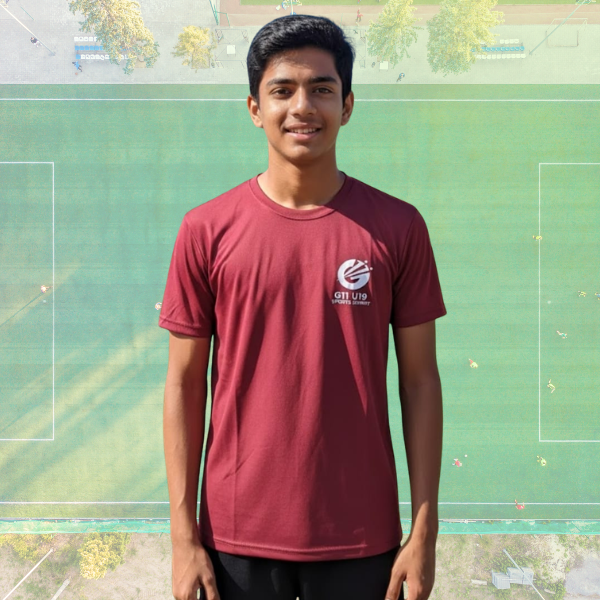
A sports uniform may include a T-shirt, shorts, track pants, jackets, or other athletic clothing. Lightweight and flexible fabrics are often preferred.
Schools may also require house-specific sports T-shirts with different colours or logos.
Sports uniforms can be customized with school logos, student numbers, team names, and house colours.
A complete uniform manufacturer should ideally understand the difference between formal schoolwear and sportswear and recommend suitable materials and designs for each.
Winter Uniforms for Schools
Schools operating in areas with cooler winters may require sweaters, sweatshirts, jackets, blazers, or other warm clothing.
Winter uniforms should complement the school’s existing uniform design. For example, a sweater may feature school colours, an embroidered logo, or a specific neckline.
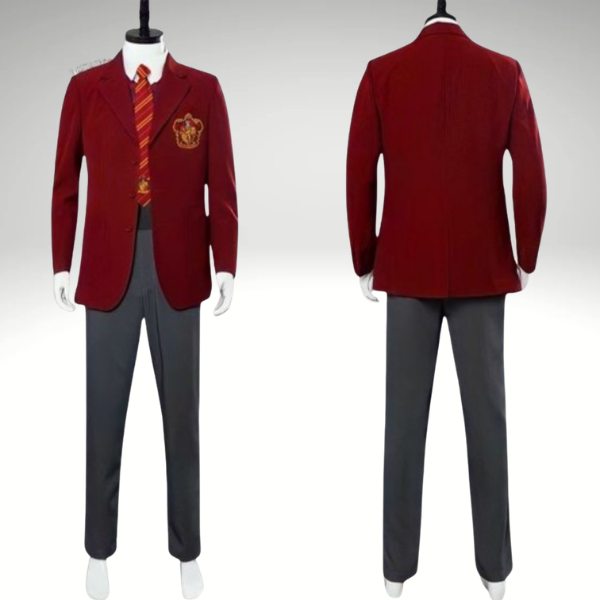
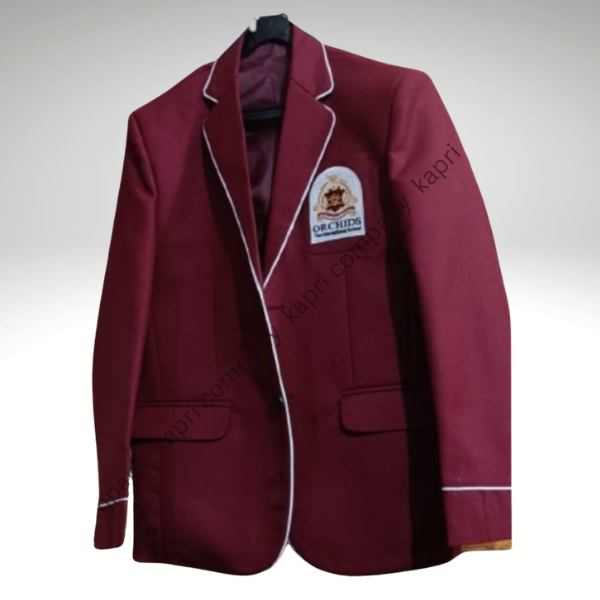
Blazers are often used for formal occasions, assemblies, special events, and senior classes.
Winter uniforms should be comfortable enough for extended wear while providing appropriate warmth.
Schools should plan winter inventory separately because these products may have different production and storage requirements compared with summer uniforms.
Uniform Accessories
A school uniform is rarely limited to shirts and trousers. Accessories often complete the overall appearance.
Common school uniform accessories include:
- School ties
- Belts
- Socks
- Caps
- School badges
- Sweaters
- Blazers
- Sports accessories
- House T-shirts
- School bags
Matching accessories create a more complete and professional appearance.
Schools may prefer to source accessories from the same supplier to maintain consistency in colours and branding.
Choosing a Bangalore-Based Uniform Partner
The demand for School Uniform Manufacturers Bangalore continues to be influenced by the city’s large educational ecosystem. Schools, preschools, academies, and other institutions require uniforms throughout the year.
A local or regionally accessible manufacturing partner can provide communication advantages. Buyers may find it easier to review samples, discuss designs, conduct fittings, and coordinate deliveries.
However, the most important factor should remain the manufacturer’s capability and reliability.
Schools should evaluate sample quality, production capacity, customization, pricing, delivery schedules, and customer service before selecting a long-term partner.
What Makes a Good Uniform Supplier Different?
A good supplier does more than deliver garments. The supplier should understand the buyer’s requirements and help solve procurement challenges.
For example, if a school discovers that a particular size is frequently requested, the supplier should be able to arrange additional stock efficiently.
If a school changes its logo or design, the supplier should be able to incorporate the updated specifications.
If a school has multiple branches, the supplier should be able to maintain consistency across locations.
This level of service can turn a basic supplier relationship into a long-term procurement partnership.
Pricing Factors for School Uniforms
Uniform pricing depends on several factors rather than just garment size.
The primary factors include fabric type, garment design, quantity, customization, embroidery, printing, accessories, stitching complexity, packaging, and delivery requirements.
Larger orders may receive better per-unit pricing because production can be planned more efficiently.
However, schools should request quotations with clear specifications. Comparing two quotations is only meaningful when both suppliers are offering similar fabric, construction, customization, and quality levels.
The cheapest quotation is not necessarily the most economical choice if the garments require frequent replacement.
How Schools Can Reduce Uniform Procurement Costs
Schools can control uniform costs through proper planning.
The first step is to finalize designs early. Last-minute orders may result in higher costs or limited production options.
The second step is to estimate realistic quantities. Historical purchasing data can help schools understand how many uniforms are typically required.
The third step is to standardize designs where possible. Excessively complicated designs may increase manufacturing costs.
The fourth step is to establish a long-term supplier relationship. Repeat business may allow better planning and smoother production.
The fifth step is to focus on durability. A slightly higher initial investment in better-quality uniforms may reduce replacement costs over time.
Importance of Timely Delivery
Timing is critical in school uniform procurement. Uniforms are usually required before a new academic session begins.
Late delivery can create problems for schools, parents, and students.
A manufacturer should therefore provide realistic production timelines rather than making unrealistic promises.
Bulk orders should be planned according to the number of garments, customization requirements, sample approval time, and production capacity.
Schools should also keep a buffer period for unexpected delays.
Professional communication between the school and manufacturer can make the delivery process significantly smoother.
Why Schools Should Approve Samples Before Bulk Production
Sample approval is one of the most important steps in uniform procurement.
A school should physically inspect a sample before confirming large-scale production.
The sample can be checked for:
- Fabric quality
- Colour
- Stitching
- Logo placement
- Button quality
- Measurements
- Comfort
- Finishing
- Overall appearance
Once the sample is approved, the manufacturer can use it as the production reference.
This reduces misunderstandings and helps ensure consistency.
Technology and Modern Uniform Manufacturing
Modern garment manufacturing increasingly uses technology to improve production efficiency and consistency.
Computerized pattern systems can support accurate cutting. Modern embroidery equipment can produce detailed school logos. Improved cutting and stitching technologies can help reduce material waste and production errors.
Digital communication also makes it easier for schools to share logos, design files, size charts, and specifications.
For large institutions, digital order management can simplify repeat purchases and inventory planning.
Manufacturers that combine traditional garment expertise with modern production practices can provide more consistent results.
Sustainable School Uniform Production
Sustainability is becoming increasingly important in the clothing industry.
Schools and parents are becoming more conscious of product lifespan, material choices, waste reduction, and responsible production.
Durable uniforms are inherently useful from a sustainability perspective because garments that last longer need to be replaced less frequently.
Schools can also consider practical designs that allow uniforms to remain useful for longer periods.
Manufacturers can contribute by improving fabric utilization, reducing unnecessary waste, and encouraging responsible production practices.
School Uniforms and Institutional Branding
Uniforms are one of the most visible forms of school branding.
When students enter a campus wearing consistent uniforms, visitors immediately recognize the institution’s identity.
The school’s colours, logo, design, and accessories can all contribute to this identity.
A professionally designed uniform can create a positive impression among students, parents, visitors, and the broader community.
This is why uniform selection should be treated as part of institutional branding rather than merely a procurement activity.
Why Kapri Company Can Be Considered for School Uniform Requirements
Kapri Company focuses on institutional clothing solutions and can be considered by schools, educational organizations, distributors, and other buyers looking for uniform manufacturing and supply support.
You can explore the company’s official website here: Kapri Company
The company’s uniform solutions can be evaluated based on the buyer’s requirements, including fabric preferences, design, quantity, customization, sizing, and delivery.
For schools, the ideal supplier relationship should be based on clear communication and mutually agreed specifications.
Potential buyers can discuss their requirements directly with the company and request appropriate samples or quotations before finalizing an order.
Uniform Requirements for School Chains
School groups with multiple branches face additional challenges. They need consistent uniforms across locations while sometimes dealing with different student populations and annual enrollment changes.
A centralized manufacturer can simplify this process.
The school group can approve a master sample and then use the same specification for different branches.
This can improve consistency in colours, logos, fabrics, and garment construction.
Centralized procurement may also simplify inventory planning and supplier management.
For larger school networks, it is useful to maintain detailed specifications and approved samples for every uniform category.
Uniform Requirements for Dealers and Distributors
Uniform dealers and distributors often serve multiple schools. Their requirements may therefore be more varied than those of individual institutions.
They may need different colours, patterns, sizes, and branding specifications.
Wholesale manufacturing can help distributors maintain adequate inventory during peak school seasons.
Distributors should work with manufacturers that can maintain consistent production standards across repeated orders.
They should also establish clear procedures for handling damaged goods, incorrect sizes, additional requirements, and repeat orders.
Ordering Process for School Uniforms
A structured ordering process helps avoid mistakes.
Step 1: Share Requirements
The school provides details regarding uniform categories, colours, fabric, sizes, logos, and quantities.
Step 2: Sample Development
The manufacturer prepares a sample according to the specifications.
Step 3: Sample Approval
The school checks the sample and requests modifications if necessary.
Step 4: Final Quantity
The school confirms size-wise and category-wise quantities.
Step 5: Production
The manufacturer begins bulk production.
Step 6: Quality Inspection
Finished garments are checked before packing.
Step 7: Packaging
Uniforms are organized according to the agreed requirements.
Step 8: Delivery
The completed order is delivered according to the agreed schedule.
This process helps both parties maintain clarity.
Common Mistakes When Buying School Uniforms
One common mistake is choosing a supplier based only on price.
Another mistake is placing large orders without inspecting samples.
Schools may also underestimate the importance of fabric quality.
Ordering too close to the beginning of the academic year is another common problem.
Failure to maintain accurate size information can also result in shortages or excess inventory.
Schools should therefore approach uniform procurement as a planned operational process.
Questions to Ask a Uniform Manufacturer
Before placing an order, schools should consider asking:
- What fabrics are available?
- Can the uniform be customized?
- Can the school logo be embroidered?
- What sizes are available?
- What is the minimum order quantity?
- How long will production take?
- Can repeat orders be supplied?
- How is quality checked?
- What packaging options are available?
- How are replacement requirements handled?
- Can the manufacturer supply accessories?
- Can the company support multiple school branches?
Getting clear answers to these questions can help institutions make better purchasing decisions.
Future of School Uniform Manufacturing
The school uniform industry is evolving with changing expectations from schools, parents, and students.
Future uniforms are likely to focus increasingly on comfort, durability, easy maintenance, modern design, and sustainable materials.
Schools may also adopt more specialized uniforms for sports, activities, events, and different weather conditions.
Digital ordering and inventory management can further improve the procurement process.
Manufacturers that understand these changing requirements will be better positioned to support modern educational institutions.
Why Bulk Procurement Should Be Planned Early
Early planning provides several advantages.
Schools can compare manufacturers, review samples, negotiate commercial terms, finalize sizes, and schedule production without unnecessary pressure.
Early procurement also allows manufacturers sufficient time to source fabric and organize production.
This becomes especially important for large schools where thousands of garments may need to be produced.
By planning several weeks or months ahead, institutions can reduce the risk of last-minute shortages.
Maintaining Uniform Quality Across Repeat Orders
One challenge schools sometimes face is variation between different production batches.
The same uniform may appear slightly different when different fabrics, colour shades, or patterns are used.
To reduce this issue, schools should retain an approved sample and clear product specifications.
Manufacturers should refer to these specifications for future production.
Maintaining records of fabric details, colours, measurements, logo dimensions, and stitching standards can improve repeat-order consistency.
School Uniform Manufacturer for Long-Term Institutional Partnerships
A uniform manufacturer should ideally become more than a one-time vendor.
Long-term partnerships can help schools streamline procurement, maintain consistent quality, and reduce repeated supplier evaluation.
Once a manufacturer understands the school’s specifications, repeat orders become easier.
Schools can also communicate expected annual requirements and plan production accordingly.
For the manufacturer, long-term relationships provide better forecasting and production planning.
For the school, they provide greater convenience and consistency.
Why Kapri Company Is Relevant for Institutional Buyers
For educational institutions looking for a dedicated uniform partner, Kapri Company can be explored for schoolwear and institutional apparel requirements.
The company can be contacted to discuss uniform designs, quantity requirements, fabric preferences, customization, and other procurement needs.
More information can be found on the official Kapri Company website: Kapri Company Official Website
When comparing manufacturers, schools should evaluate actual samples, manufacturing capabilities, communication standards, pricing, and delivery commitments before making a final decision.
Social Media and Online Presence of Kapri Company
Schools, dealers, distributors, and other buyers may also want to review a company’s online presence before initiating a business discussion.
Kapri Company’s Facebook page provides another way to explore the company’s brand presence and updates: Kapri Company on Facebook
An active online presence can help potential customers understand the company’s products, activities, and areas of specialization.
However, buyers should always confirm current product availability, pricing, minimum order quantities, and manufacturing timelines directly with the company because these details can change according to requirements.
How to Build a Successful School Uniform Program
A successful school uniform program starts with clear planning.
The school should first identify all required uniform categories. These may include summer uniforms, winter uniforms, sportswear, house uniforms, accessories, and special-event clothing.
Next, the school should define its design specifications.
Fabric selection should then be based on comfort, climate, durability, and budget.
After sample approval, the school should finalize quantities based on enrollment and historical requirements.
Production should be scheduled early.
Finally, the school should establish a system for handling additional orders throughout the academic year.
This structured approach can significantly reduce uniform-related problems.
School Uniforms as a Symbol of Discipline and Identity
Uniforms create visual consistency within an educational environment.
When students wear the same approved clothing, the focus remains on education and participation rather than fashion competition.
Uniforms can also promote a sense of belonging. Students identify themselves as members of a particular institution through its colours, logo, and design.
For schools, this makes uniform selection an important part of their culture.
A high-quality uniform reinforces this identity by creating a neat, professional, and comfortable appearance.
Conclusion
Selecting the right uniform partner is an important decision for schools, educational institutions, retailers, distributors, and organizations. A reliable manufacturer should provide more than attractive garments. The ideal partner should understand fabric selection, design customization, bulk production, quality control, sizing, delivery, and long-term supply requirements.
The demand for School Uniform Manufacturer services continues to grow as educational institutions seek dependable solutions for large-scale clothing requirements. Similarly, schools and distributors need a professional School Uniform Supplier capable of supporting both initial and repeat orders.
For institutions searching within the local market, School Uniform Bangalore requirements can be addressed through manufacturers and suppliers that understand the city’s educational environment and diverse institutional needs.
For dealers, schools, and organizations purchasing larger quantities, School Uniform Wholesale options can provide practical procurement benefits when supported by appropriate quality and supply planning.
Institutions ordering hundreds or thousands of garments should also carefully evaluate Bulk School Uniforms solutions based on quality, consistency, customization, and delivery rather than price alone.
Finally, organizations specifically researching School Uniform Manufacturers Bangalore should compare samples, production capacity, fabrics, customization options, customer service, and repeat-order capabilities before making a final decision.
Kapri Company can be explored as a potential partner for schools and organizations looking for professionally manufactured uniforms and institutional apparel. Buyers can visit Kapri Company to learn more and discuss their specific requirements.
Kapri Company can also be explored through its social media presence on Facebook – Kapri Company.
The best uniform is one that combines comfort, durability, professional appearance, consistent quality, and practical pricing. By planning requirements carefully and selecting an experienced manufacturing partner, schools can create a uniform program that works effectively for students, parents, administrators, and procurement teams.